
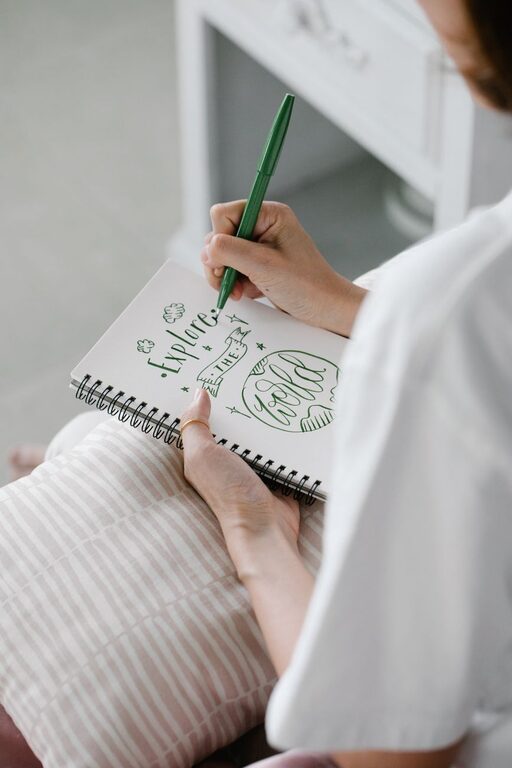
Choosing the right notebook might seem like a small decision, but it can have a big impact on how often you use it and how effective it is for your needs. Whether you want a notebook for jotting down ideas, planning your day, or creative writing, selecting one that fits your style and habits can motivate you to write more consistently.
In this guide, we’ll walk you through practical considerations and helpful tips to pick a notebook you’ll actually enjoy using every day.
Why Choosing the Right Notebook Matters
A well-chosen notebook can help you:
– Stay organized
– Capture ideas quickly
– Build a productive habit
– Express creativity
– Keep your thoughts in one place
On the other hand, a notebook that feels inconvenient or uninspiring can end up abandoned, with your notes scattered in scraps or digital apps.
Step 1: Identify Your Purpose
Before browsing options, think about how you plan to use your notebook.
Common Purposes Include:
– Daily journaling: Reflect on your day, track moods or gratitude
– Note-taking: For meetings, classes, or research
– Sketching and doodling: If you’re an artist or visual thinker
– Planning: To-do lists, calendars, habit tracking
– Idea collection: Brainstorming, writing drafts, creative projects
Knowing your main use will guide your choices for size, paper quality, and format.
Step 2: Choose the Right Size
Notebooks come in many sizes. Here’s how to pick the best one for your lifestyle:
– Pocket-sized (A6 or smaller): Ultra-portable, great for quick notes on the go. May feel cramped for longer writing.
– Medium (A5 or similar): A popular balance between space and portability. Fits in most bags and offers enough room for comfortable writing.
– Large (A4 or letter size): Ideal for detailed notes, sketches, or planners. Less portable but offers expansive writing space.
If you switch between working at a desk and traveling, consider having two notebooks: a larger one at home and a smaller one to carry around.
Step 3: Decide on Paper Type and Quality
The right paper enhances your writing experience and suits your tools.
Key Paper Characteristics:
– Weight: Measured in gsm (grams per square meter). Heavier paper (80-100 gsm or more) feels thicker and reduces ink bleed-through.
– Color: White, cream, or off-white. Cream is easier on the eyes for long writing sessions.
– Texture: Smooth paper works well with ballpoint and gel pens, while slight texture is preferred by fountain pen users or artists.
– Ruled, dotted, grid, or blank: Choose ruled lines for neat writing, dotted for bullet journaling, grid for graphs and sketches, or blank if you want freedom to draw or write without restrictions.
Try testing different types at a stationery store to find what feels best for your preferred writing instruments.
Step 4: Consider the Binding Style
How your notebook opens and stays open impacts usability.
– Spiral binding: Lies flat easily and allows pages to turn fully back, but may snag or bend.
– Perfect binding (glued spine): Sleek and durable, but may not lay flat without effort.
– Sewn binding: Durable and often lays flat. Pages can be turned fully.
– Disc binding: Allows page removal and rearranging, great for planners.
Think about whether you want to write while holding the notebook or resting it on a surface, and choose accordingly.
Step 5: Pick a Cover That Suits Your Style
The cover protects your pages and often inspires you to use the notebook.
– Material: Options include cardboard, leather, fabric, or plastic. Leather or faux leather covers often feel more luxurious and durable, but are pricier. Cardboard covers can be colorful or artistic but may wear quickly.
– Hardcover vs. Softcover: Hardcover notebooks offer protection and a sturdy writing surface, ideal if you write without a desk. Softcovers are lighter and more flexible but less protective.
– Design: Minimalist, patterned, inspirational quotes—pick a design that makes you want to pick it up every day.
Step 6: Add Functional Details
Extra features can improve your notebook’s usefulness.
– Page numbers: Handy for indexing and referencing.
– Built-in bookmarks or ribbons: Help you find your spot fast.
– Expandable pockets: Store extra notes, receipts, or stickers.
– Perforated pages: Allow you to neatly tear out notes.
– Elastic band closure: Keeps your notebook securely closed in bags.
Decide which features are dealbreakers or optional extras depending on your use.
Step 7: Don’t Forget Sustainability
If environmental impact matters to you, many brands offer notebooks with recycled paper or eco-friendly materials. Look for certifications or brands committed to sustainability.
Step 8: Test and Adjust
After purchasing, use your notebook for a few weeks with your usual pens or pencils. Notice if:
– The paper suits your writing tools
– The size is convenient for your routine
– The notebook feels comfortable to hold and write in
– The layout works for your needs
If you find issues, don’t be discouraged—selecting a notebook is a personal process. Many people use different notebooks for different tasks.
Final Tips for Making It a Habit
– Keep your notebook visible and within reach.
– Set a daily or weekly time to write or plan.
– Personalize pages with drawings, stickers, or colors to stay inspired.
– Don’t worry about perfection; use your notebook as a tool, not a masterpiece.
Conclusion
Choosing a notebook you’ll actually use means matching it thoughtfully to your lifestyle, writing habits, and purpose. With the right size, paper, binding, and design, your notebook can become a trusted companion that supports your creativity and productivity every day.
Take your time exploring options, and soon you’ll have a notebook that motivates you to pick up your pen and let your ideas flow. Happy writing!