
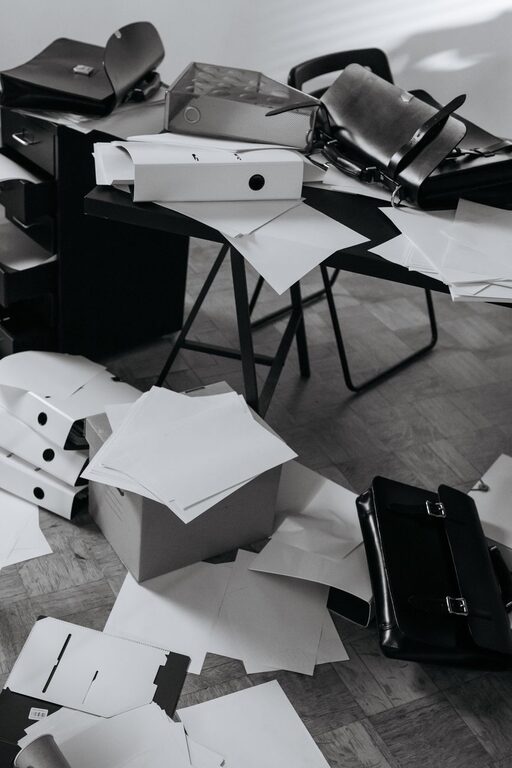
Paper clutter is one of the most common sources of disorder in many homes. Bills, receipts, school papers, mail, and various documents can quickly accumulate, making your living space feel chaotic and overwhelming. Fortunately, with some simple habits and clever systems, you can take control of paper clutter and enjoy a tidier, more stress-free home.
In this post, we’ll explore practical tips to reduce household paper clutter, help you stay organized, and maintain those habits long-term.
Why Paper Clutter Happens
Before jumping into solutions, it helps to understand why paper clutter builds up:
– Constant inflow: From mail to kids’ artwork, paper arrives daily.
– Lack of sorting: Without a system, papers pile up instead of being dealt with.
– Sentimental value: It’s tempting to hold onto everything “just in case.”
– Unclear disposal rules: Not knowing what to keep or shred leads to hoarding.
Recognizing these reasons allows you to address the root causes rather than simply tidying symptoms.
Simple Ways to Reduce Paper Clutter
Here are effective strategies you can implement with minimal effort.
1. Go Digital Whenever Possible
Technology makes it easier than ever to cut down on physical paper.
– Opt for e-bills and statements: Contact your utility providers, banks, and credit card companies to switch to online billing.
– Use apps for receipts: Take photos or scan receipts with smartphone apps to avoid holding onto paper copies.
– Store documents digitally: Save important documents like warranties, insurance policies, and tax records on your computer or cloud storage.
Transitioning to digital reduces the amount of incoming paper and makes finding documents easier.
2. Create a Dedicated Paper Station
Designate one spot in your home for managing all incoming paper.
– Use a set of labeled trays or folders for categories such as “To File,” “To Pay,” and “To Read.”
– Keep a shredder nearby for quick disposal of sensitive papers.
– Check and sort this station daily or weekly to prevent buildup.
A centralized area prevents papers from scattering throughout the house.
3. Establish a Filing System
Have a simple and consistent filing system to store papers you need to keep.
– Use clearly labeled folders or binders, organized by categories like bills, medical records, schoolwork, and warranties.
– Limit your categories to avoid overcomplicating the system.
– Purge files regularly, such as annually, removing outdated documents.
Having an easy-to-manage filing system simplifies future retrieval and reduces clutter.
4. Regularly Purge Unnecessary Paper
Set aside time to review and discard papers you no longer need.
– Recycle old magazines, junk mail, and outdated receipts.
– Shred documents containing personal information.
– Be honest about what you really need to keep — less paper means less clutter.
Mark a monthly date on your calendar for this task to stay consistent.
5. Vet Incoming Paper
Be selective about what you bring into your home.
– Opt out of junk mail and catalogs via services like DMAchoice.
– Ask for electronic versions of school newsletters or notices.
– Limit the number of printed handouts or flyers you accept.
Controlling paper at the source reduces the volume you need to manage.
6. Use Paper Organizers and Storage Solutions
Invest in tools to keep papers neat and accessible.
– Use wall-mounted organizers by your entryway or desk.
– Keep binders or accordion files for children’s school papers and art.
– Utilize labeled boxes or trays for seasonal or less frequently used documents.
Having the right containers encourages tidiness and prevents piles from forming.
7. Encourage Family Participation
Get everyone in your household involved in paper management.
– Teach kids to put their school papers in designated folders.
– Make sorting mail a shared responsibility.
– Create simple checklists or routines for paper handling.
Teamwork makes it easier to maintain organization and reduces stress.
Benefits of Reducing Paper Clutter
Clearing out excess paper offers advantages beyond a cleaner home:
– Saves time finding important documents.
– Reduces stress caused by mess and disorganization.
– Frees up space on desks, counters, and drawers.
– Improves home aesthetics with neat, intentional spaces.
– Enhances productivity through better workflow.
Final Thoughts
Reducing household paper clutter is an achievable goal with just a few straightforward changes. By embracing digital options, setting up effective paper stations, purging regularly, and involving the whole family, you can maintain an organized and peaceful environment.
Start small today, and enjoy the lasting benefits of less paper chaos in your home. Remember, the key is consistency—little efforts add up to big results over time.